Updated for 2025 CPCB Guidelines

India's Most Trusted EPR Registration Partner

Ensure seamless environmental compliance for Plastic, E-Waste, Battery & Non-Ferrous Metals. We handle end-to-end CPCB compliance services.

100% CPCB Portal Approval
Pan-India Recycler Network
PIBOs & Importer Support
End-to-End Target Fulfillment
5 Star Rating

Get FREE Consultation

Your data is 100% secure.

Trusted by 500+ Leading Brands for Sustainability

What is EPR Registration?

Extended Producer Responsibility (EPR) is an environmental policy approach in India mandated by the MoEFCC & CPCB. It makes Producers, Importers, and Brand Owners (PIBOs) legally responsible for the end-of-life management, recycling, and safe disposal of their products.

At ERCS Private Limited, we bridge the gap between regulatory mandates and your business operations. From calculating your baseline generation to securing your EPR Certificate on the centralized CPCB portal, we ensure you avoid hefty penalties and market bans.

EPR Registration Process

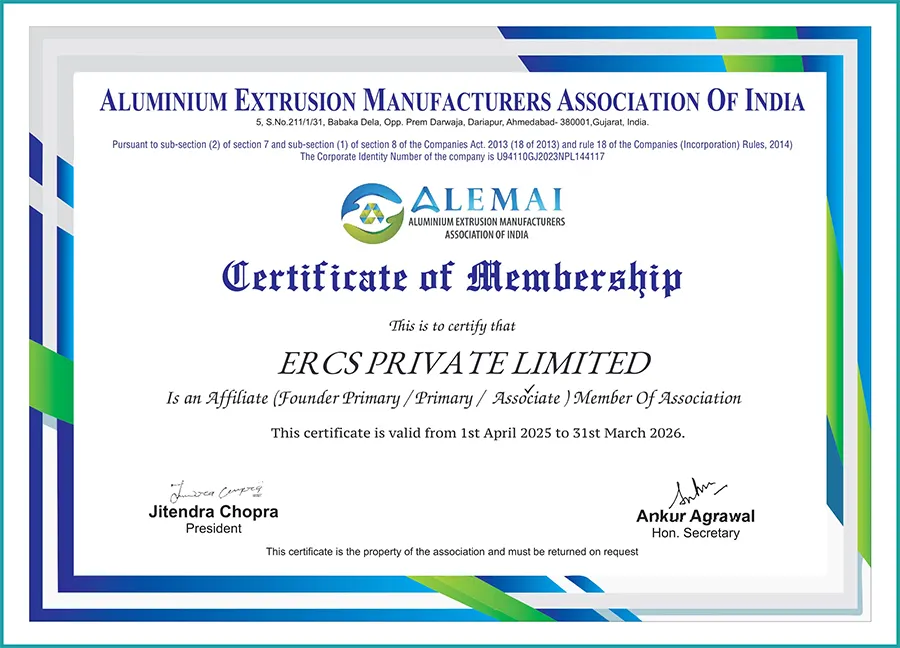
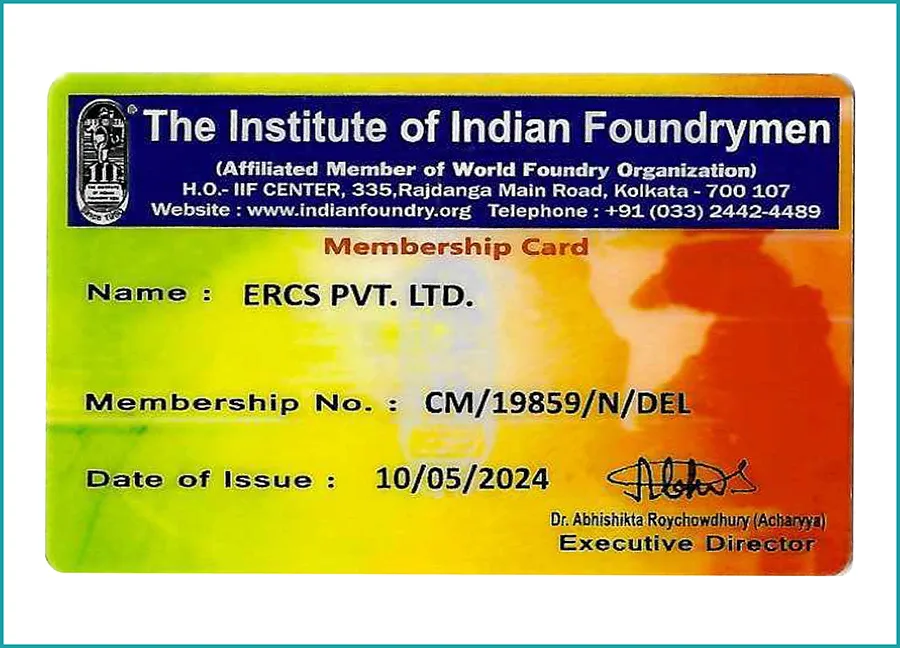
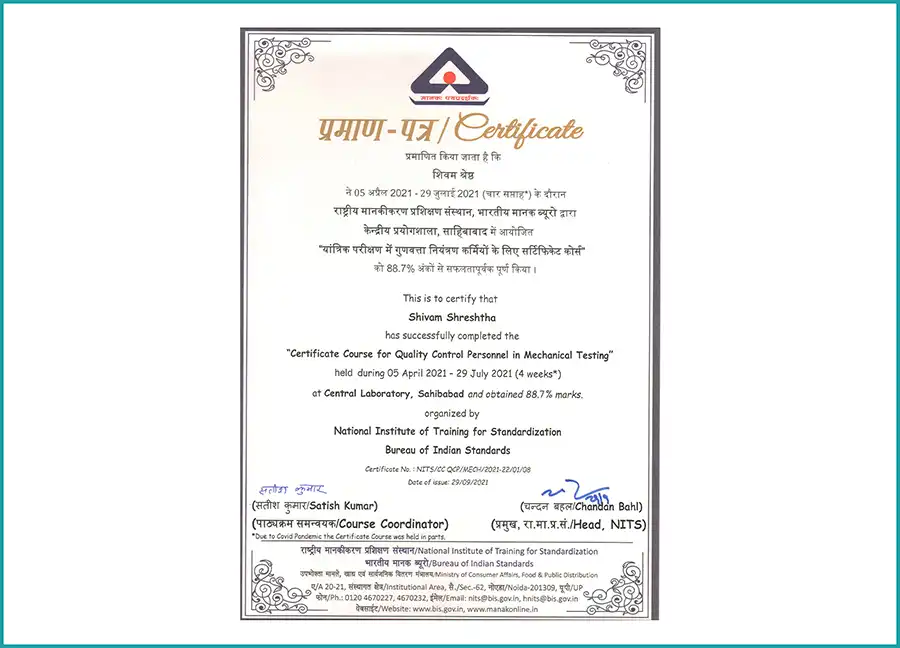
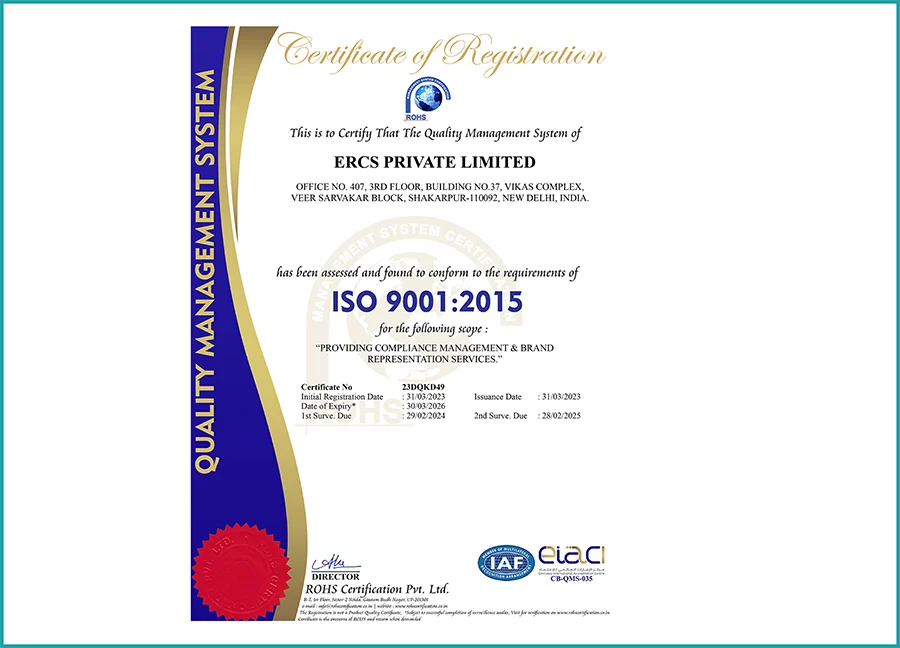
Our Granted Certificates

A glimpse of the official EPR Compliances successfully managed and delivered by our expert team.

Plastic EPR Certificate
E-Waste EPR Certificate
Battery EPR Certificate
Non-Ferrous EPR Certificate

EPR Compliances We Manage

Comprehensive registration and target fulfillment services under CPCB Guidelines.

♻️
Plastic Waste

For PIBOs dealing in flexible, rigid, multi-layered packaging & compostable plastics.

💻
E-Waste

For manufacturers & importers of IT equipment, consumer electronics, and accessories.

🔋
Battery Waste

Mandatory for EV batteries, portable batteries, and industrial lead-acid/lithium-ion units.

🏭
Non-Ferrous Metals

Compliance for recycling and management of metals like Copper, Aluminum, Zinc, and Lead.

About ERCS
About ERCS Private Limited

Simplifying Environmental Compliance Since 2019


ERCS Private Limited is a premier compliance consultancy in India, specializing in EPR frameworks, BIS Certification, and LMPC. We understand that navigating the CPCB centralized portal and dealing with authorized recyclers can be daunting.

Our dedicated team of environmental engineers and compliance experts acts as your end-to-end partner. We don't just secure your registration; we help you map your recycling targets and facilitate agreements with registered Recyclers and PWPs across India.

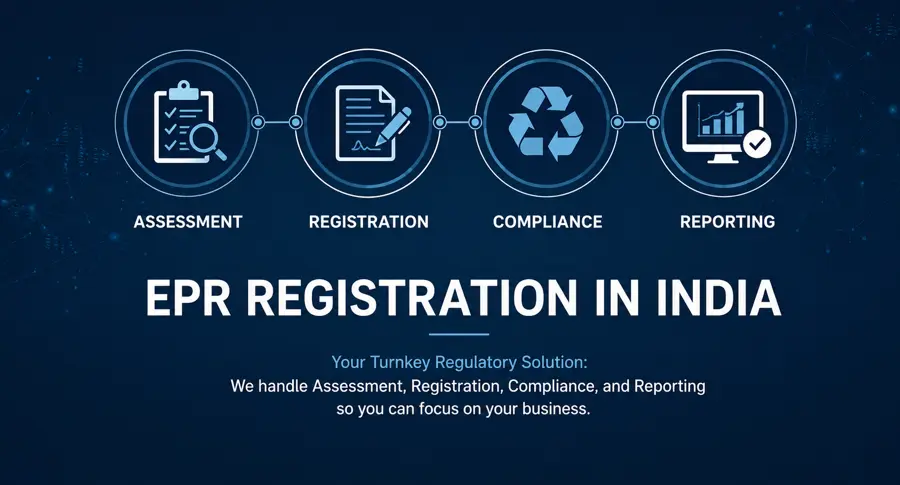
4-Step EPR Registration Process

1
Data & Profiling

Analyzing your import/sales data to calculate your baseline generation and categorizing the waste.

2
Portal Registration

Creating your profile on the Centralized CPCB EPR Portal and preparing necessary documents.

3
Application Filing

Submitting the detailed application, EPR Action Plan, and responding to any departmental queries.

4
Grant & Fulfillment

Receiving the EPR Certificate and setting up tie-ups with registered recyclers for annual targets.

📄 Documents Required for EPR

  • GST Certificate, PAN & IEC (Import Export Code)
  • Certificate of Incorporation & MOA/AOA
  • Authorized Signatory KYC (Aadhar/PAN)
  • Sales/Import Data (Previous Financial Years)
  • EPR Action Plan & Recycler Agreements (if applicable)

💰 Fee Structure Overview

CPCB Government fees depend on the volume of waste generated/imported and the specific category (Plastic, E-Waste, Battery).

Govt. Application Fee Variable (Based on MT)
Target Fulfillment / Credits Market Rates Apply
ERCS Processing & Liaison Ask for Quote

What Our Clients Say

Understanding EPR Framework

Frequently Asked Questions

PIBO stands for Producers, Importers, and Brand Owners. Anyone who manufactures, imports, or sells products using plastic packaging, electronics, or batteries under their brand name is considered a PIBO and must register for EPR.

Yes. Whether you are importing empty plastic packaging, electronics, batteries, or goods wrapped in plastic packaging, EPR registration is mandatory before customs clearance.

EPR targets are calculated based on your historical sales/imports. You fulfill these targets by purchasing EPR certificates/credits from registered recyclers who recycle the equivalent amount of waste on your behalf.

Non-compliance leads to heavy Environmental Compensation (EC) fines, halting of operations, seizure of goods at customs, and cancellation of trade licenses.